What we bring to an executor sale
The most common mistake we see an executor make is waiting, because waiting feels like the cautious choice. It is not free. The estate pays the taxes, the insurance and the heat the whole time, and every month of that comes out of the beneficiaries' share.
We will help you see that arithmetic clearly, give you a firm number for a Roosevelt estate property in its current state, and hold it while your authority comes through. What you do with the number is your decision as executor, and we will not chase you about it.
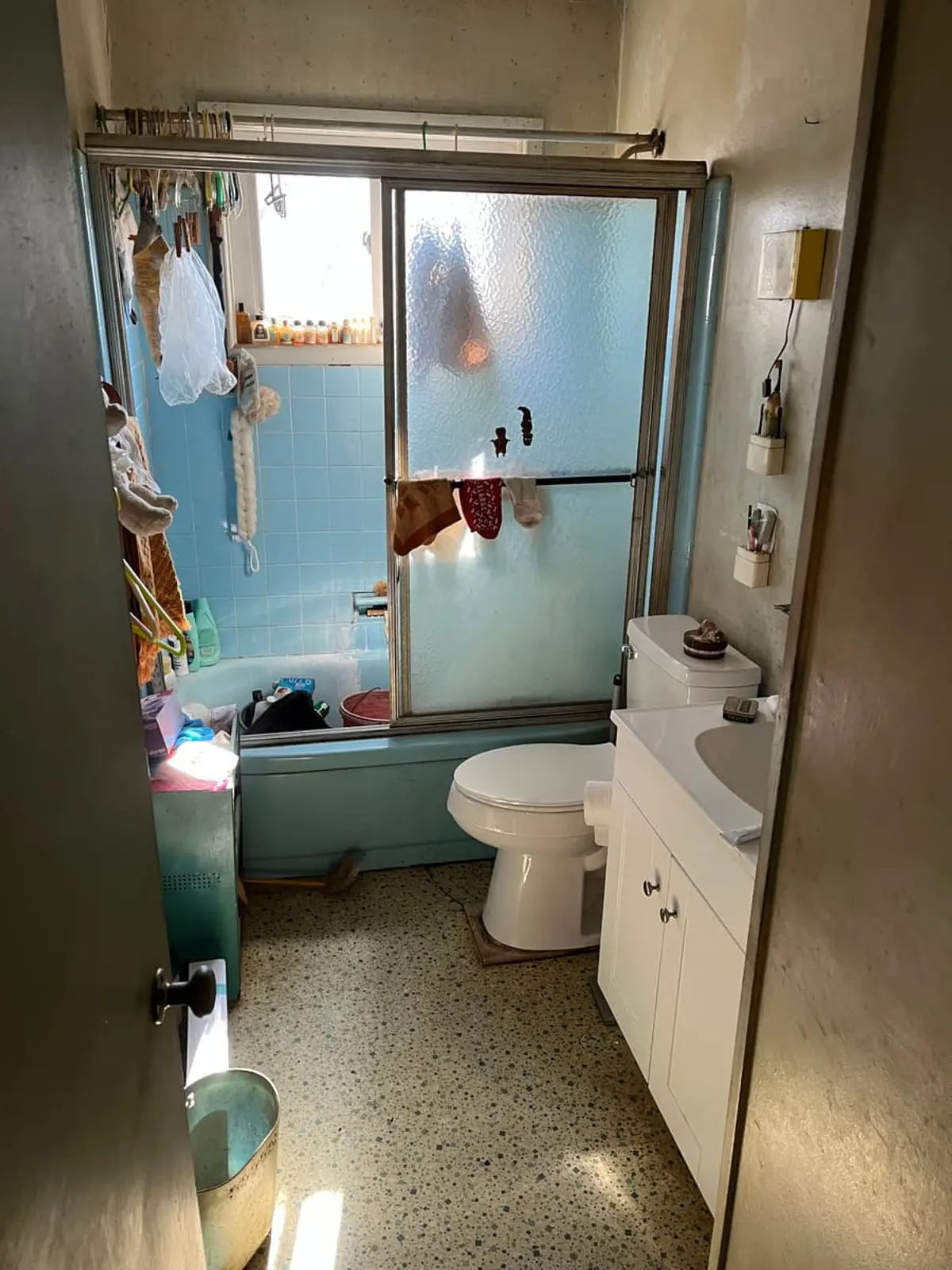
An executor needs the offer in writing
The hard part of an executor's job is not deciding what to do. It is explaining afterward why you did it.
A written offer gives you a document with a date on it that every beneficiary can see at the same time, and a record that you obtained a real figure rather than accepting somebody's opinion of value over the phone. If anyone wants a second number, get one. We would rather be compared than wondered about.
Why local knowledge changes the number
A house on Lincoln Avenue. In Roosevelt, bought and paid for by us.
Roosevelt is roughly 18,066 people in Nassau County, ZIP 11575, and the housing stock is mostly cape cod, colonial, ranch. Around Nassau Road and the Meadowbrook State Parkway, most of it is old enough that the mechanicals are on their second or third life. We have been buying across Nassau County for 15+ years. We know what the Roosevelt Union Free School District does to a resale price, which blocks still have oil tanks in the ground, and what a house like yours is actually worth here.
Waiting on the court, without a financing clock on the estate property
An executor is working to a timeline set by the court rather than by the market, and the exact sequence is a question for the estate attorney rather than for a buyer.
What we will commit to is holding our number while that plays out, so the estate is not forced to choose between waiting properly and keeping a deal alive. Nassau County Surrogate’s Court sits in Mineola, and the estate attorney handling the matter will know what it needs and when.
Carrying the estate property is costing the estate
An estate does not pause its bills while an executor decides. Taxes, insurance, utilities and lawn care all keep running, and on an empty house there is nobody there to notice the first sign of a problem.
That is the case for moving with purpose rather than urgency. The median house in Roosevelt sold for $598,693 and took about 51 days to go under contract, then another 45 to 60 days waiting on the buyer's mortgage. That is 96 to 111 days in total, for a house that was ready to show on day one.
What you do not pay when you sell an estate property
These are the costs of putting an estate property on the market through an agent. None of them apply when you sell to us.
- Agent commission
- $29,935 at 5% of the Roosevelt median none
- Seller closing costs
- About $11,974 on a $598,693 sale. We can cover these. none
- Repairs to make it listable
- Whatever it takes to make it listable, paid in advance none
- Cleanout and removal
- Dumpsters or haulers by the load, ahead of any viewing none
- Carrying costs while it waits
- Taxes, insurance and utilities across the 96 to 111 days it takes to find a buyer and then wait on their lender none
What we take on that would otherwise land on the executor
An estate usually has one asset that generates ninety percent of the work, and it is the house.
We buy it as it is. That means no repairs, no staging, no cleanout, no contractor scheduling, and no explaining to a retail buyer why the roof is what it is. The executor's remaining job on the property becomes signing when the court says you may.
Executors should get a second offer, genuinely
We would rather lose a house than have an executor end up defending a decision they cannot document.
Get a second written offer. Get an agent's written opinion of value too, if the estate can spare the time. Put both in the file next to ours. The comparison is the protection, and it protects you whichever way it comes out.
What the two paths cost in Roosevelt
These are the two routes open to you with an estate property, priced against what Roosevelt houses actually sell for.
Work it against Roosevelt's own numbers. The median sale here is $598,693. A 5% commission on that is $29,935, and seller closing costs of about 2% add roughly $11,974. Those are costs we can cover on our side. That is $41,909 gone before anyone counts the repairs it took to get the house listable.
There are two waits in a listed sale and people usually only count the first. In Roosevelt the median house takes about 51 days to go from listed to a signed contract. Then it waits again, typically 45 to 60 days, while the buyer's lender orders an appraisal and underwrites the loan. Call it 96 to 111 days from sign to keys, assuming nothing goes wrong.
The part worth understanding is what a signed contract actually guarantees, which is less than most sellers assume. A retail buyer with a mortgage contingency can walk away right up to the end. If they do not qualify, if the appraisal comes in under the price, if they change their mind and let the financing lapse. A share of deals die exactly there, after months of waiting, and the house goes back on the market with time on it. We are not borrowing anything, so there is no lender to satisfy, no appraisal to come in low and no contingency to exercise.
| Listing with an agent | Selling to us | |
|---|---|---|
| Sale price | $598,693 (Roosevelt median) | Our written offer |
| Commission | −$29,935 | None |
| Seller closing costs | −$11,974 | We can cover them |
| Repairs before listing | Out of pocket | None |
| Cleanout | Yours | Ours |
| Showings | Until it sells | One visit |
| Listed to signed contract | 51 days (Roosevelt median, once listable) | 24 hours to a written offer |
| Contract to closing | 45 to 60 days (waiting on the buyer's lender) | A date you choose |
| Total wait | 96 to 111 days if nothing falls through | Yours to set |
| Can the buyer walk? | Yes (mortgage contingency runs to the end) | No financing to fall through |
| Before repairs and carrying | $556,784 | The number we put in writing |
For the listing side we have used a 5% commission and about 2% in seller closing costs; your real figures may differ. Repairs and carrying costs are left out because they depend on the house. If yours is in good shape, a good agent may well get you more than we would, and we will tell you if so.
Insurance on an unoccupied estate property
An empty house through a Long Island winter is a genuine risk to the estate, and the insurance behind it is often weaker than the executor assumes.
Ask the carrier directly what coverage applies to a Roosevelt property with nobody living in it, and what they need from you to keep it in place. If the answer is unsatisfying, an insurance broker can usually arrange vacant-property coverage. We can point you toward one if you do not have somebody.
Common questions
Does an executor need every beneficiary to agree before selling the Roosevelt house?
Ask the estate attorney, because it turns on the will and on your letters. In practice, most executors find that disagreement shrinks once there is one written offer on the table that everybody can read for themselves.
Can I sell the estate property before the house is cleared out?
You can. We buy estate property with the contents inside, so the cleanout never has to be scheduled, paid for, or supervised by the executor.
As executor, am I liable if the Roosevelt house sells too cheaply?
Ask the estate attorney and take the question seriously. It is also the best reason we know to get more than one written offer. We will not be offended.
How long will an executor sale take from start to closing?
The property side moves quickly. The court side sets the real pace, and that is the estate attorney's question. Once authority is granted we can close on the estate's date rather than a lender's. Nassau County Surrogate’s Court sits in Mineola, and the estate attorney handling the matter will know what it needs and when.
Should an executor make repairs before selling the house?
Usually not with estate money. Repairs spend the beneficiaries' funds on a guess about what a future buyer wants, and the executor carries the risk if the guess is wrong.