Work out what is actually left first
Start with the mortgage payoff in writing from your servicer, not the balance on last year's statement. Then add anything else attached to the property: liens, judgments, unpaid taxes, a second mortgage or a line of credit.
Whatever the house sells for, those secured debts come off first. What remains is what is available to your other debts, and people are frequently surprised by how different that is from the number they had in their head. Get it on paper before you decide anything.
The debt options that come before selling the house
We are not the first call here and we will say so. A HUD-approved counselor for mortgage debt, a nonprofit credit counselor for consumer debt, and a bankruptcy attorney if the numbers are severe. All three are cheaper than selling a house, and two of them are free.
We would rather point you at them and lose the deal than buy a house from somebody who had a better option and did not know it. If you come back afterward, we will still be here.
The Roosevelt market underneath this
The median is down 11.3% year over year as of 2026-10. In a market going backwards the properties that sit longest are the ones needing work, and each month on the market makes the next price reduction more likely. At a $598,693 median, Roosevelt is a market where buyers expect to do some work. That helps a seller with a dated house and hurts one with a genuinely broken one, because the pool that will take on a project is not the same pool that will take on a gut. Houses here take a median of 51 days to go from listed to under contract, and that clock only starts once the property is ready to show.
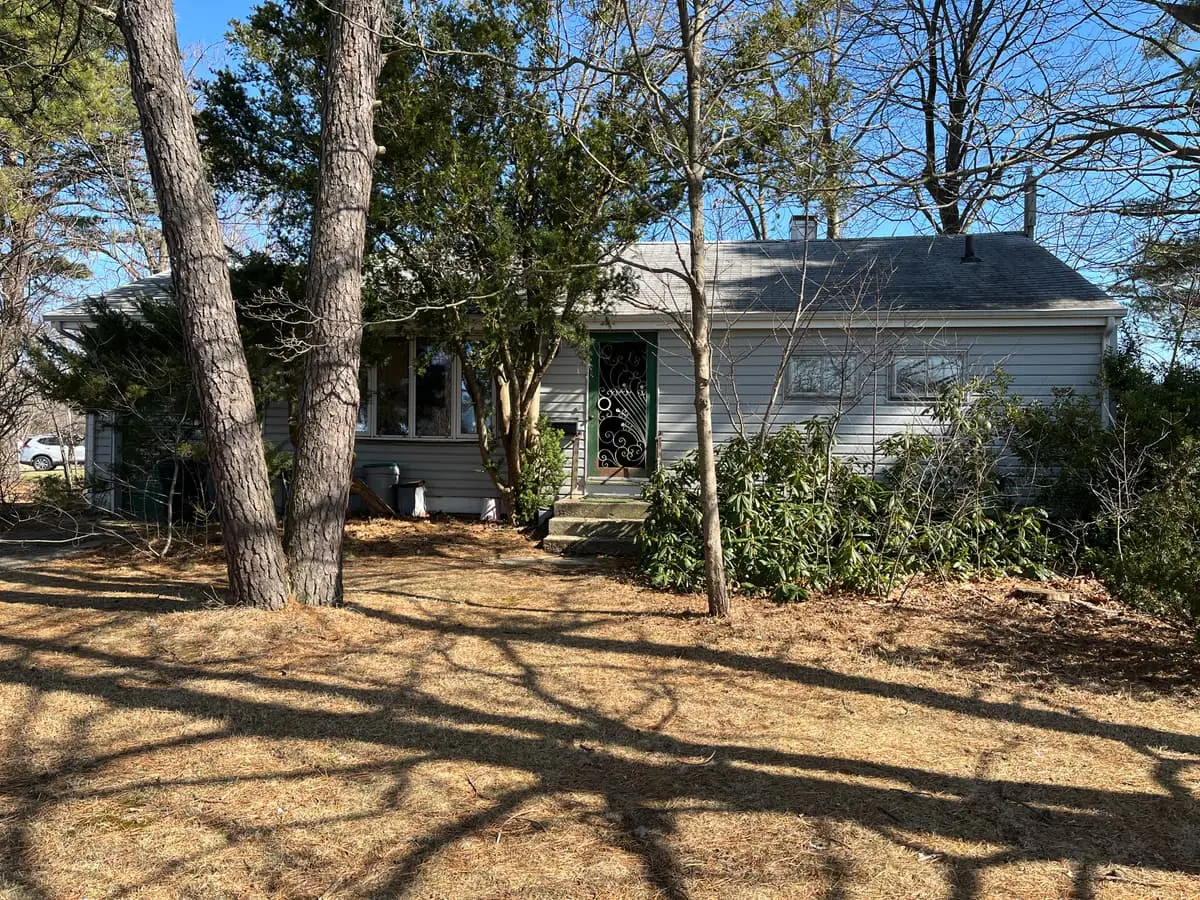
A house on Lincoln Avenue. In Roosevelt, bought and paid for by us.
What debt is already attached to the property
A title search will show what is secured against the house, and people in debt are sometimes surprised. Judgments from creditors, a contractor's mechanic's lien, unpaid property taxes, and anything a lender filed all attach to the property and get paid at closing.
That matters because it changes what the sale nets you rather than whether it can happen. These normally get resolved out of the proceeds as part of an ordinary closing. Your attorney orders the search, and it is worth doing early rather than discovering a judgment the week of closing.
Why a failed sale costs a Roosevelt seller in debt more
A financed buyer who withdraws in month three is an inconvenience for most sellers, and a compounding debt problem for you. For somebody servicing debt on the proceeds, it is three more months of interest and a house back on the market with time on it.
That is the real argument for certainty over price in this situation. A number that closes is worth more than a higher number that might. We are not borrowing, there is no appraisal and no financing contingency, so the two most common ways a sale dies are simply not in the transaction.
What the two paths cost in Roosevelt
These are the two routes open to you with a house with debt behind it, priced against what Roosevelt houses actually sell for.
Work it against Roosevelt's own numbers. The median sale here is $598,693. A 5% commission on that is $29,935, and seller closing costs of about 2% add roughly $11,974. Those are costs we can cover on our side. That is $41,909 gone before anyone counts the repairs it took to get the house listable.
There are two waits in a listed sale and people usually only count the first. In Roosevelt the median house takes about 51 days to go from listed to a signed contract. Then it waits again, typically 45 to 60 days, while the buyer's lender orders an appraisal and underwrites the loan. Call it 96 to 111 days from sign to keys, assuming nothing goes wrong.
The part worth understanding is what a signed contract actually guarantees, which is less than most sellers assume. A retail buyer with a mortgage contingency can walk away right up to the end. If they do not qualify, if the appraisal comes in under the price, if they change their mind and let the financing lapse. A share of deals die exactly there, after months of waiting, and the house goes back on the market with time on it. We are not borrowing anything, so there is no lender to satisfy, no appraisal to come in low and no contingency to exercise.
| Listing with an agent | Selling to us | |
|---|---|---|
| Sale price | $598,693 (Roosevelt median) | Our written offer |
| Commission | −$29,935 | None |
| Seller closing costs | −$11,974 | We can cover them |
| Repairs before listing | Out of pocket | None |
| Cleanout | Yours | Ours |
| Showings | Until it sells | One visit |
| Listed to signed contract | 51 days (Roosevelt median, once listable) | 24 hours to a written offer |
| Contract to closing | 45 to 60 days (waiting on the buyer's lender) | A date you choose |
| Total wait | 96 to 111 days if nothing falls through | Yours to set |
| Can the buyer walk? | Yes (mortgage contingency runs to the end) | No financing to fall through |
| Before repairs and carrying | $556,784 | The number we put in writing |
The agent column uses a 5% commission and about 2% of seller closing costs, which are typical rather than fixed. It leaves out repairs and holding costs because no two houses are alike there. Where a house is in good condition, listing with a capable agent can beat our number, and we will be upfront if that is the case.
Plan what the proceeds pay before you close
The closing pays the mortgage and anything attached to the Roosevelt house. The rest arrives as one sum, and how you use it decides whether the sale actually fixes the problem.
List every debt with its rate and its real payoff figure. Ask a nonprofit credit counselor whether any creditor might settle for a lump sum. Check with a CPA whether the sale creates any tax. An hour of planning before closing is worth more than any difference in price between buyers.
How selling a house with debt behind it in Roosevelt works
- 1
Tell us where it is
Just the address in 11575 and roughly what shape it is in. It takes a couple of minutes. Leave the house exactly as it is; we do not need it tidied, photographed or fixed.
- 2
A quick look in person
We visit once and it rarely takes more than half an hour. On the cape cod or colonial houses that make up most of Roosevelt, we check the roof, the boiler and the electric before anything cosmetic.
- 3
A written offer within 24 hours
One figure, in writing, inside 24 hours. Not a range. Show it to a Nassau County agent if you want a second view; if the house is already in good enough shape to list, an agent may get you more, and we will say so.
- 4
Closing happens on your date
If you need it done quickly, it can be. If probate, a tenant or a move means waiting, we wait. What you skip is the 96 to 111 days a Roosevelt listing usually spends on finding a buyer and then on that buyer's lender.
Moving out of the Roosevelt house on a date that works
The debt is only half of it. The other half is where you go next, and it deserves a real plan: what rent or payment you can carry once the debt is gone, and where.
Sort that out first, then choose a closing date that gives you time to move. We work to the date you need. You do not have to empty the house or clean it, and anything you leave behind is ours to deal with after closing.
Common questions
Will selling the Roosevelt house clear my debt?
Possibly, but work it out first. Take what the house will sell for, subtract the mortgage payoff and any liens, and compare what is left with your other debts. People are often surprised by how much the first two take, so get the real numbers on paper.
Should I talk to anyone before selling to pay off debt?
Yes, and preferably before you talk to any buyer including us. A HUD-approved housing counselor for mortgage debt, a nonprofit credit counselor for consumer debt, and a bankruptcy attorney if the amounts are large. Two of those are free and all three are cheaper than selling a house you did not need to sell.
What if there are judgments or creditor liens against me?
Those are generally paid from what the house sells for, at closing. It lowers what you walk away with but rarely blocks the sale. The thing to avoid is discovering one at the last minute, so have your attorney run title at the start.
What if the house is worth less than the debt secured on it?
That is a short sale: the lender agrees to take less than it is owed so the sale can go through. We can work a short sale with you rather than referring you on, and there is a separate page that covers it. The first step is the payoff figure, in writing.